Observation
The project begins with the conditions already present: light, proportion, threshold, movement and material.
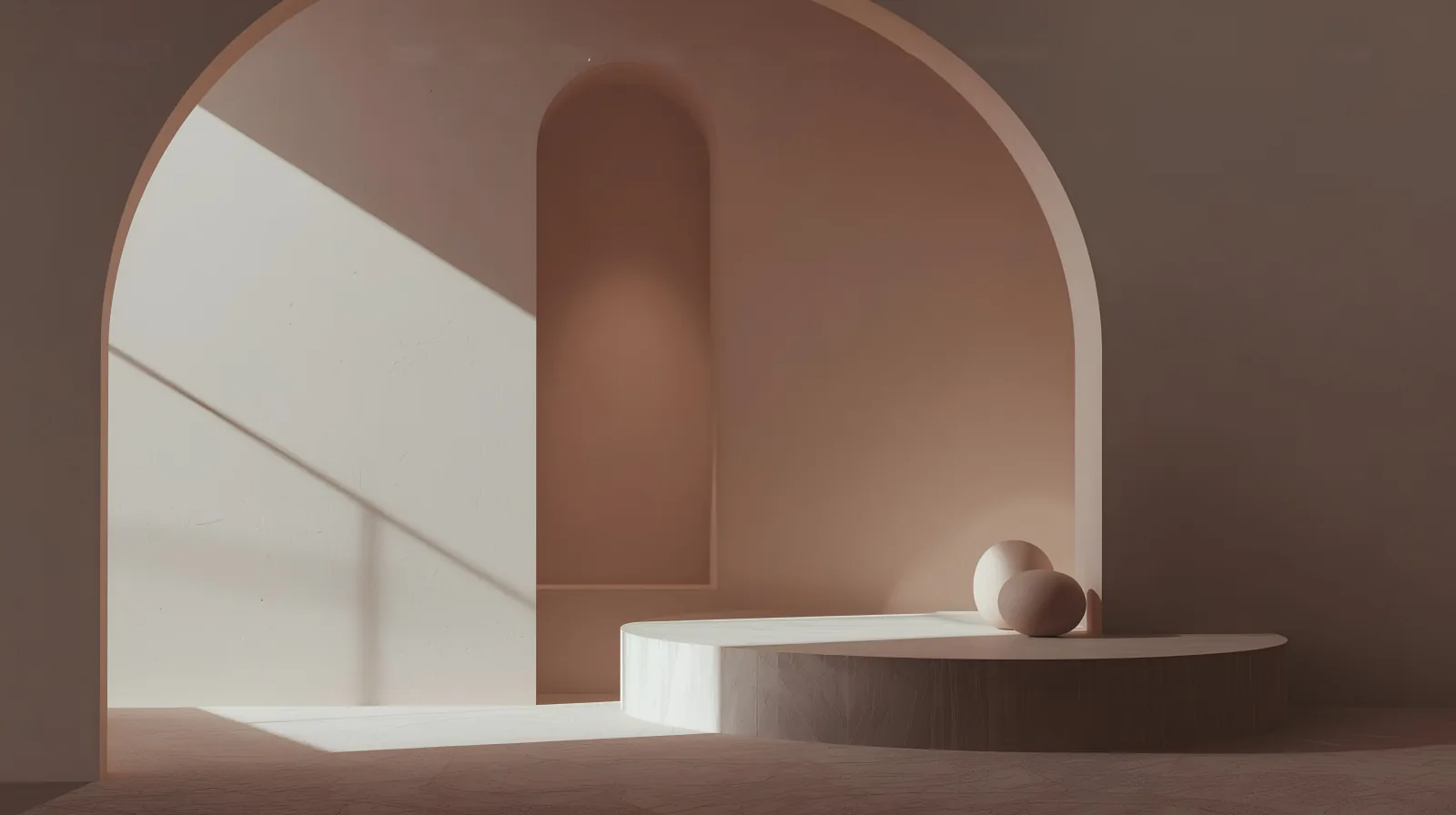
Architecture, objects and atmospheres composed through light, matter and the spaces between them.
Enter the workORÉE is an experimental artistic project by J-ART, exploring architecture, objects and atmospheres through spatial research. It studies how thresholds, light, proportion, silence and material can alter perception without relying on spectacle.
Each study begins with an observed condition: a shift in daylight, a compressed passage, the weight of a surface, or the pause created by an opening. From there, the work is reduced and recalibrated until only what is necessary remains.
Part of the artistic projects of Framing Creativity.
The project begins with the conditions already present: light, proportion, threshold, movement and material.
Rooms and passages become the primary field for testing shadow, compression, pause and distance.
The research contracts into objects, light studies and controlled interruptions within space.
Each study is recorded, compared and allowed to inform the next. ORÉE remains deliberately unfinished.
The work follows the instant space changes behaviour: a darker passage, a curved edge, a wall holding the last line of daylight. The room is read through what it asks the body to do.
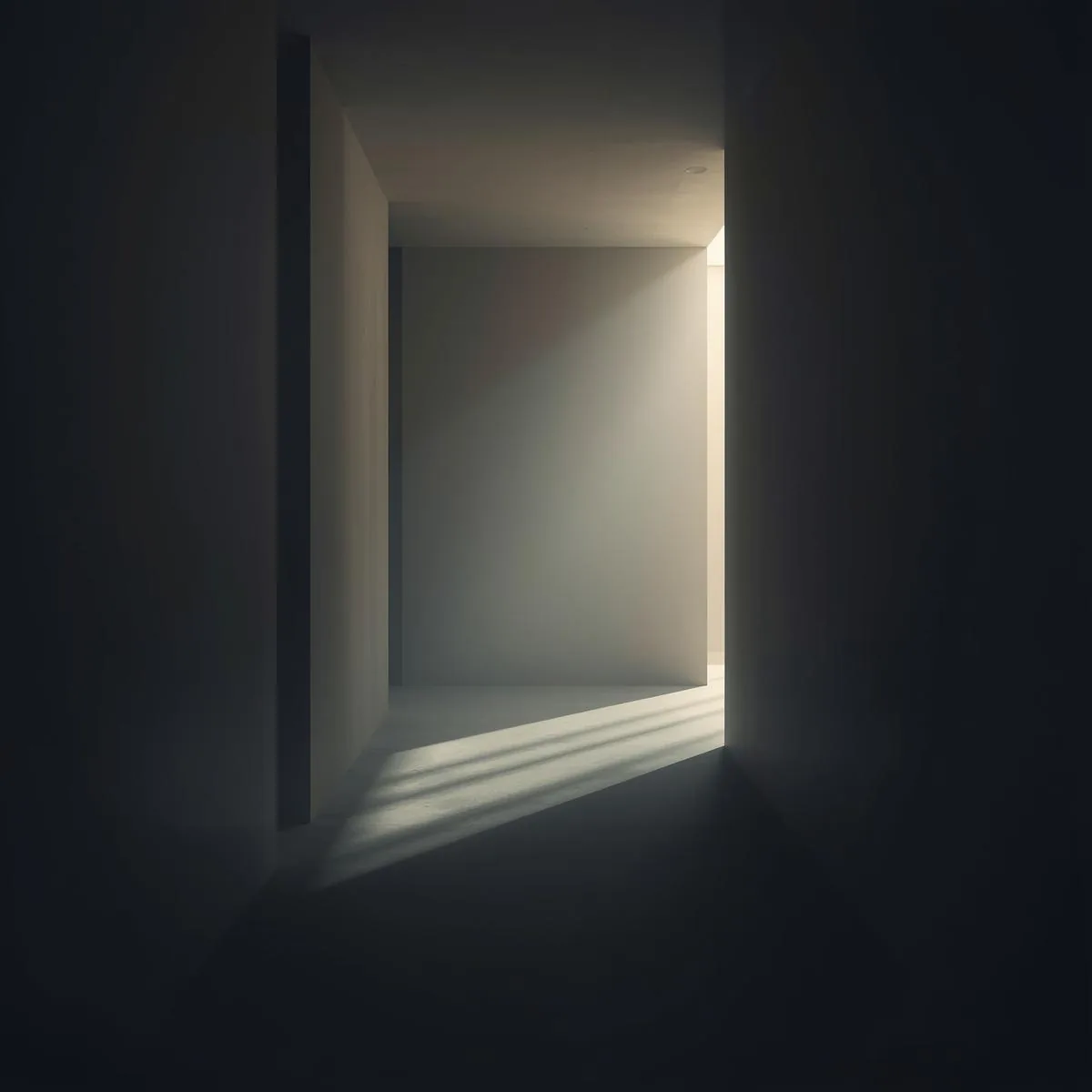
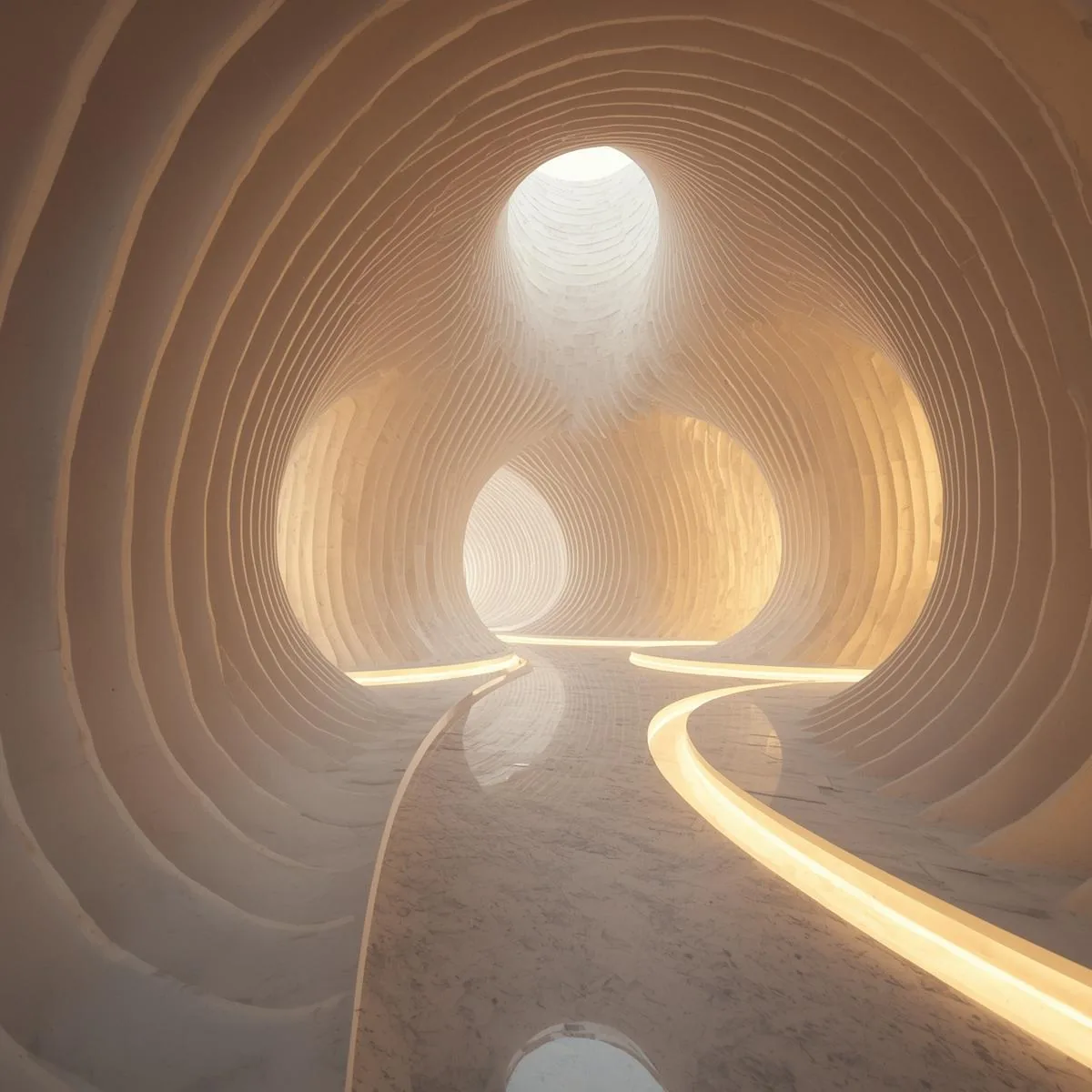
The project is not the room alone.It is the interval between enteringand realising that your pace haschanged.
At a smaller scale, the same questions remain:
edge, axis, balance, interruption.
The red line is not an accent.
It is the moment stillness is cut.
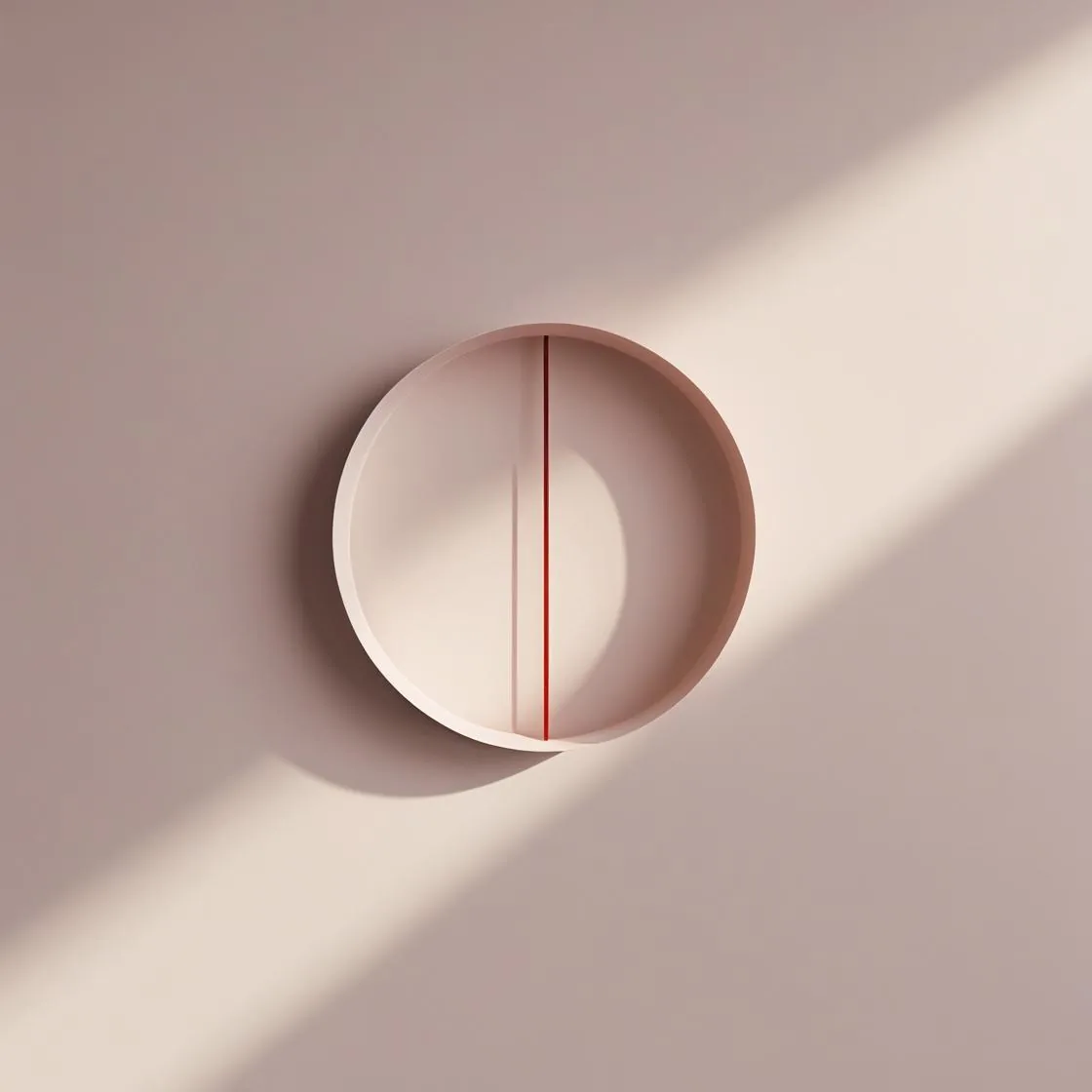
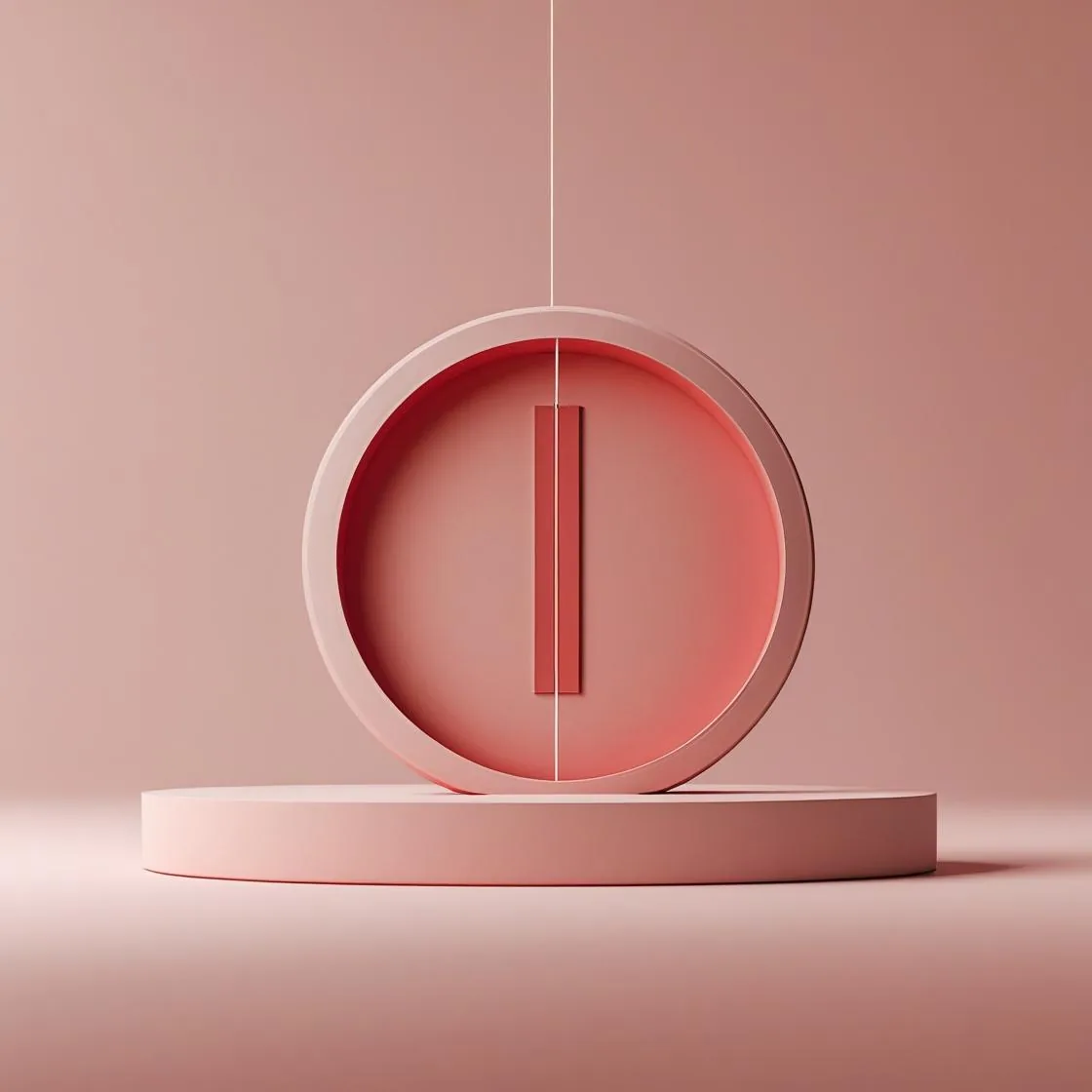
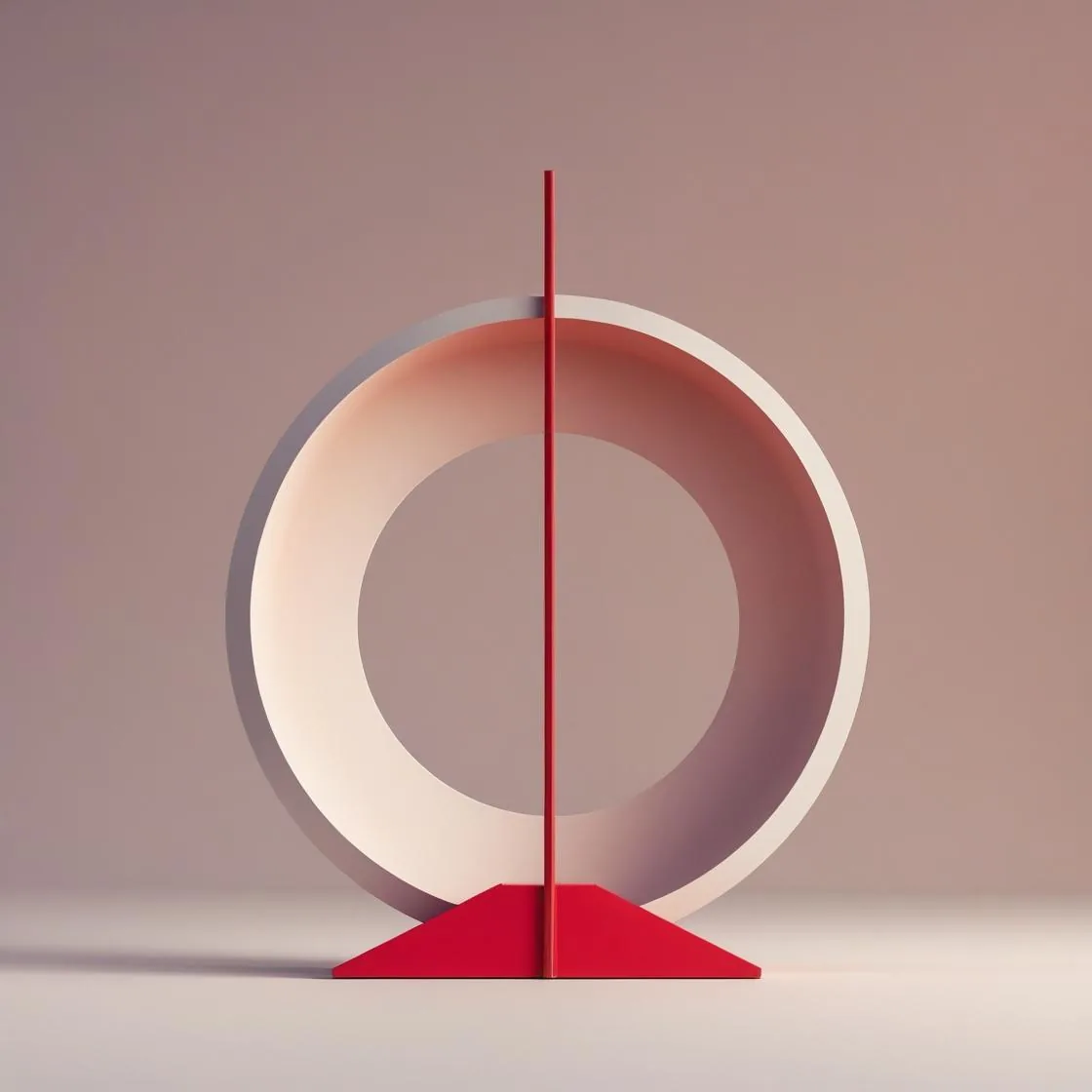
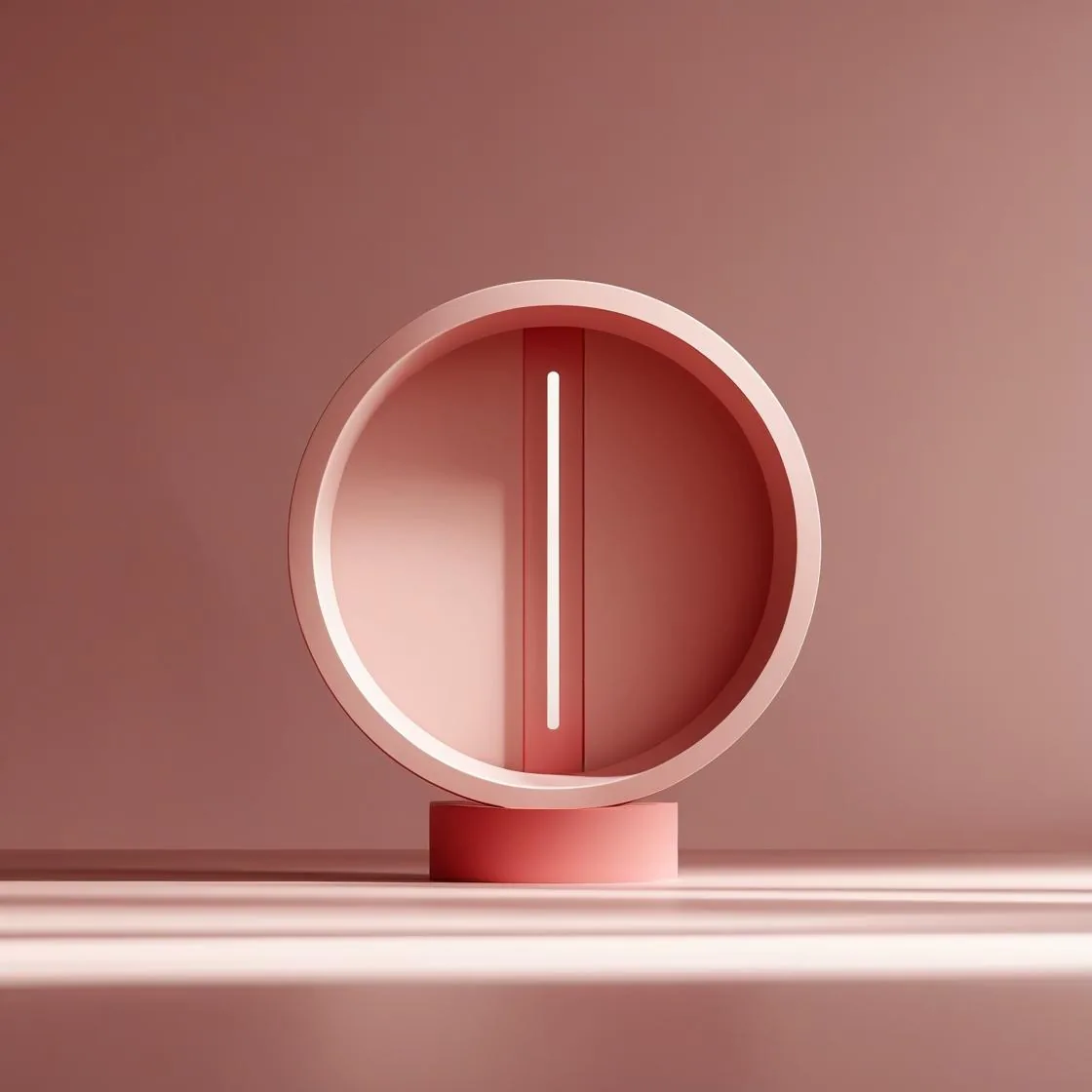
Light is not applied after the architecture. It organizes distance, compresses depth and changes the temperature of a wall from one hour to the next.
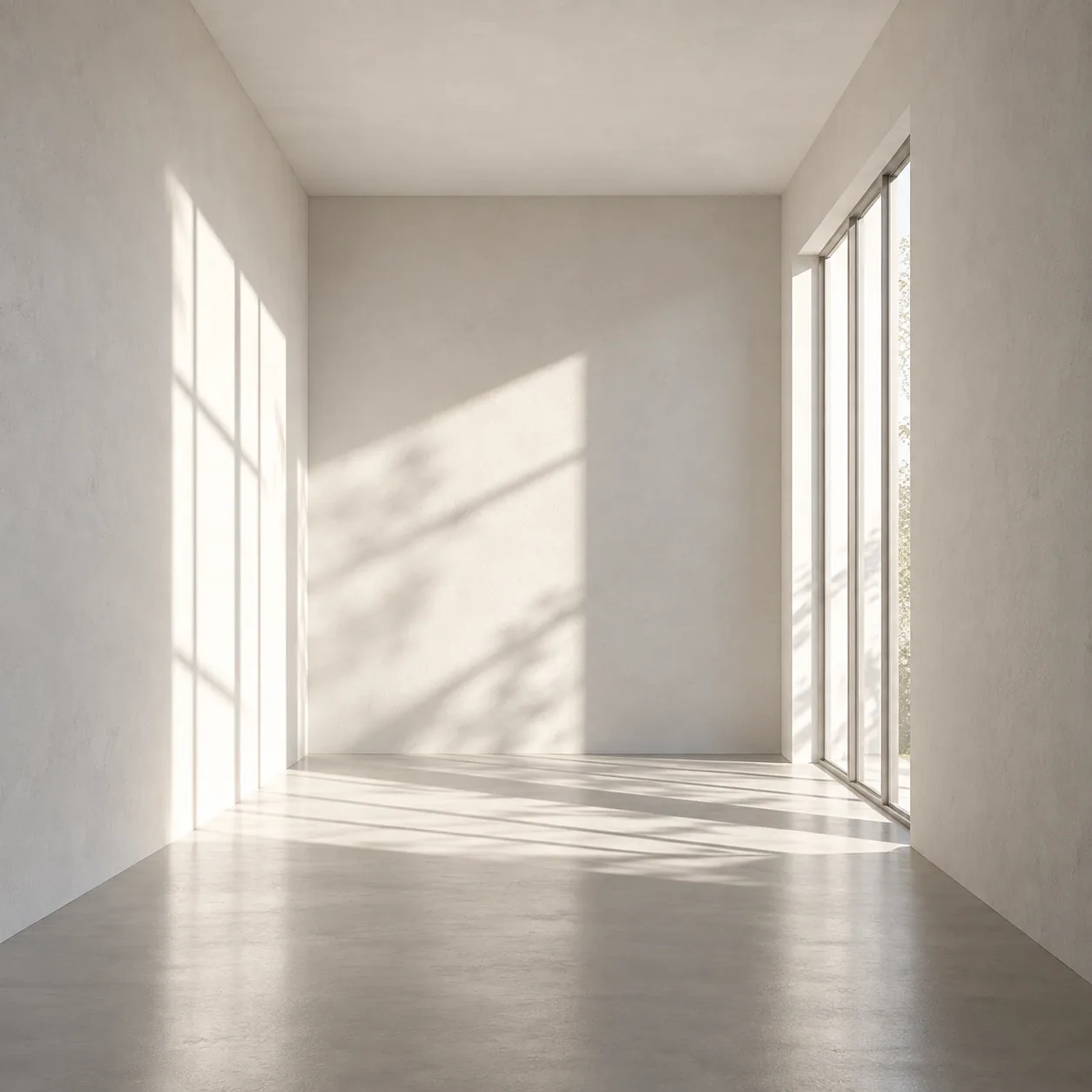
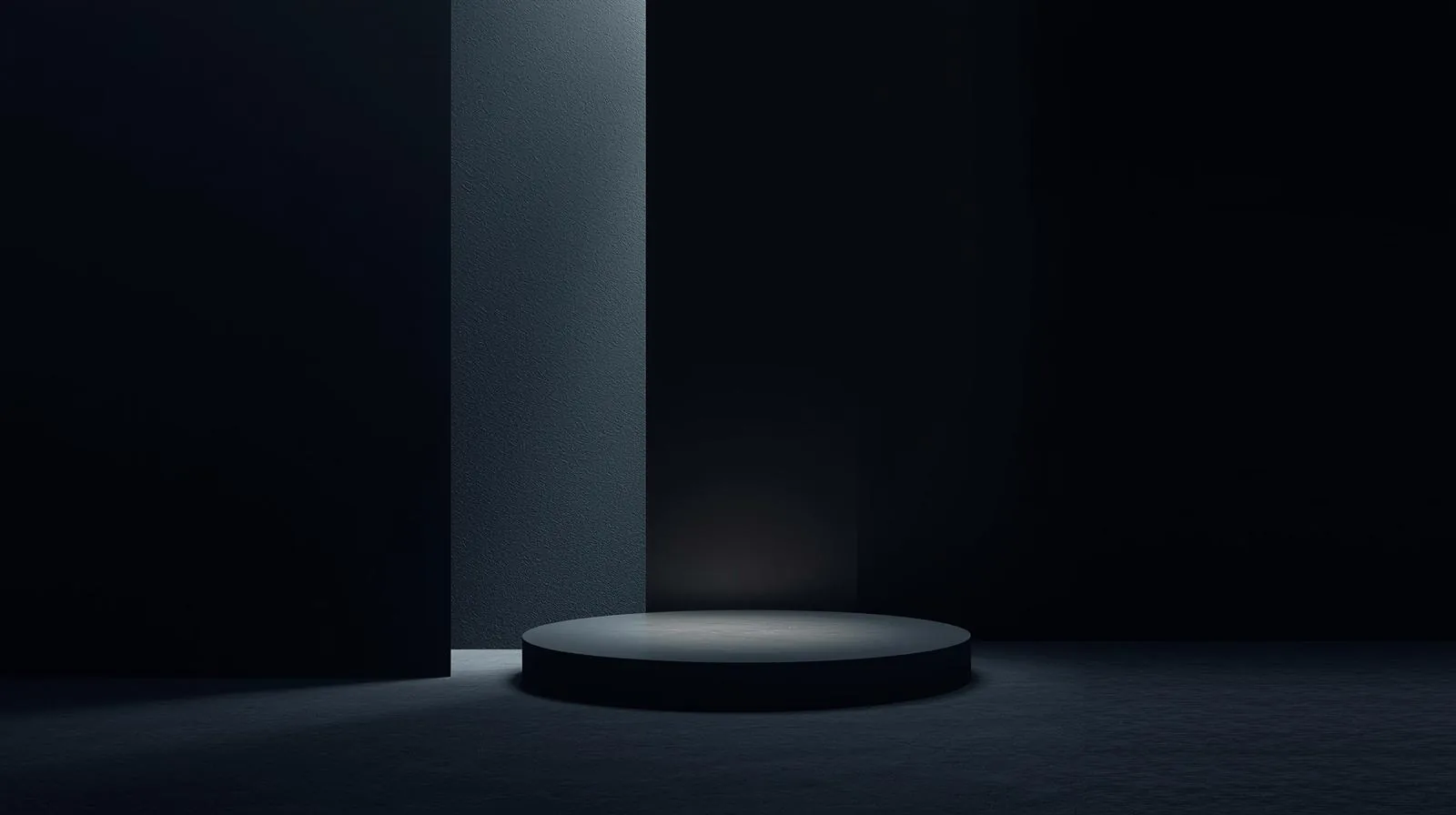
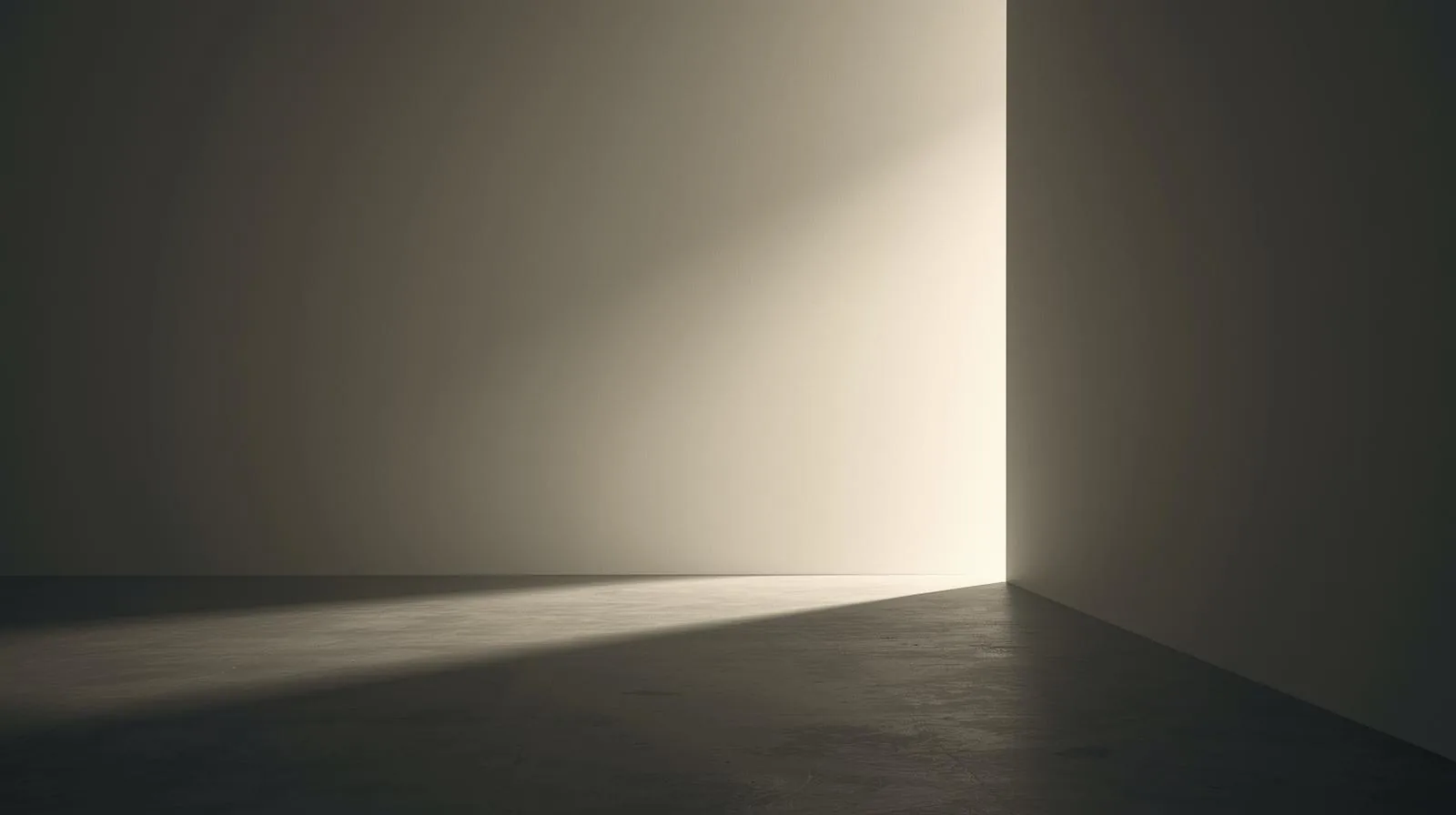
The process moves from observation to reduction. Every decision is tested against light, movement and matter before it is allowed to become form.
Mass, threshold and proportion establish the pace of a room before anything is placed inside it.
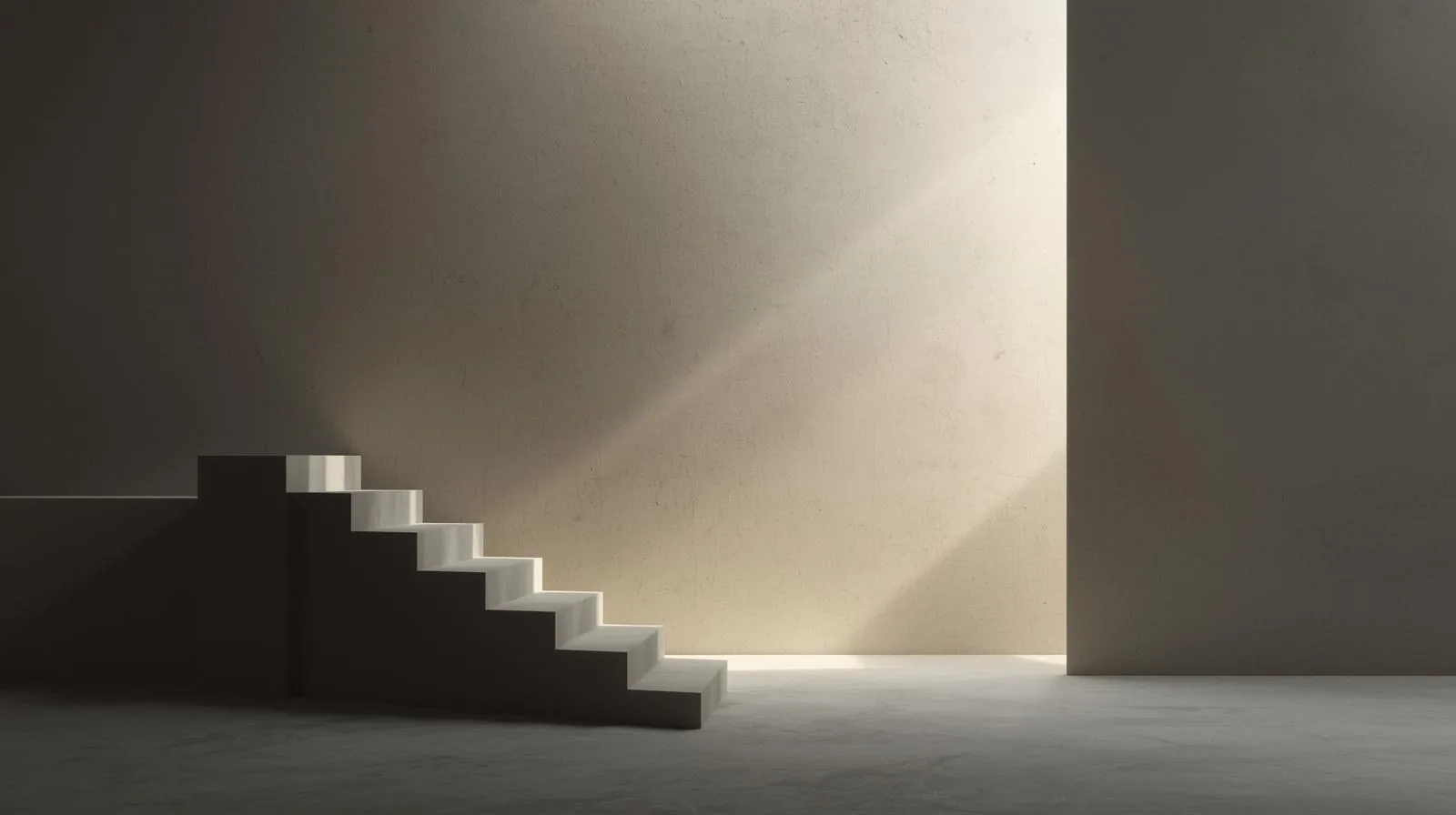
Reduced forms test balance and interruption at the scale of the hand rather than the room.
Natural and artificial light are tuned as spatial matter, never as an effect applied afterward.
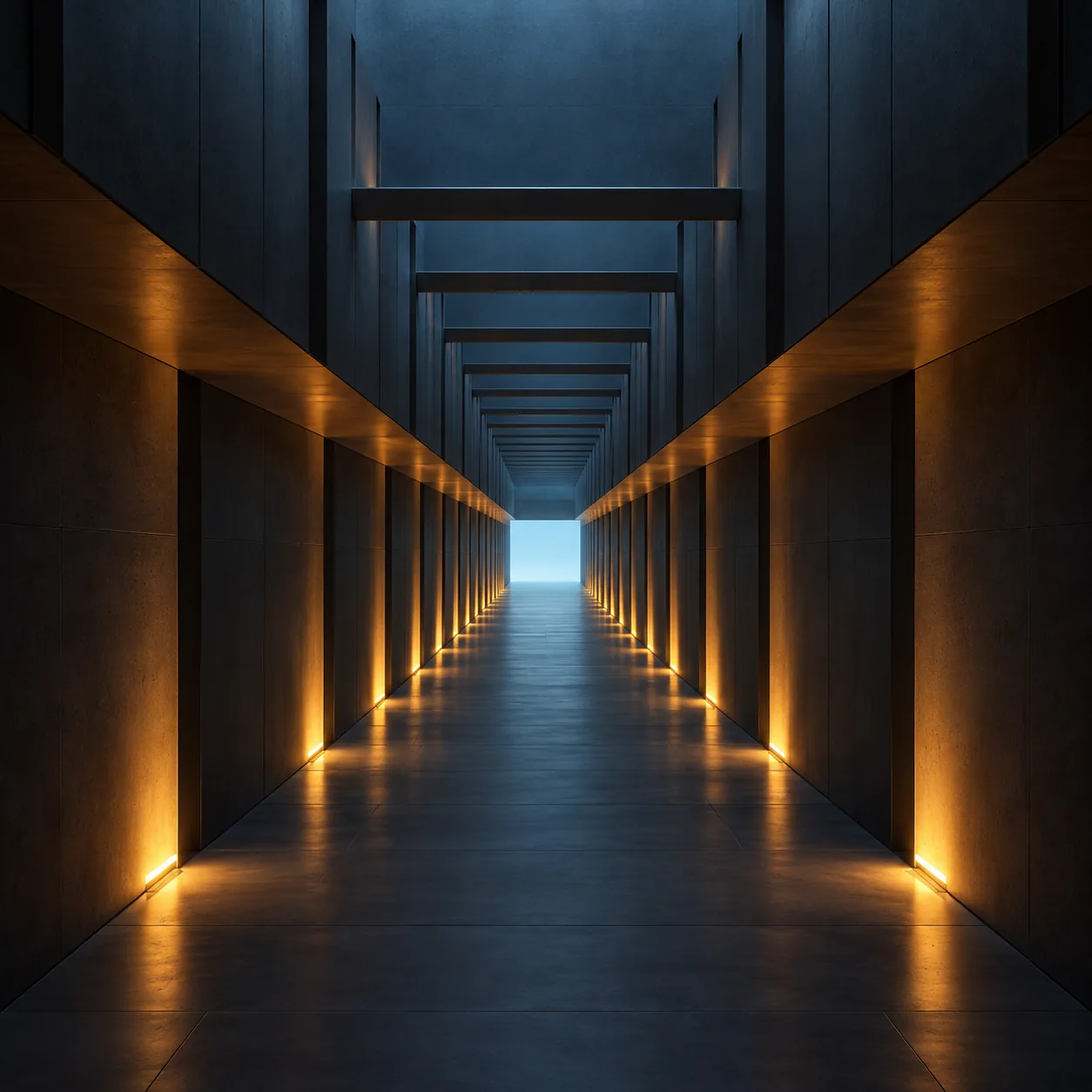
The studio sits between architecture, objects and visual research.
Work begins with observation rather than style: how light enters, how matter ages, how much can be removed before an idea loses its tension.
Drawings, books, fragments and prototypes remain visible throughout the process. They are not residue. They are the physical record of a thought learning its dimensions.
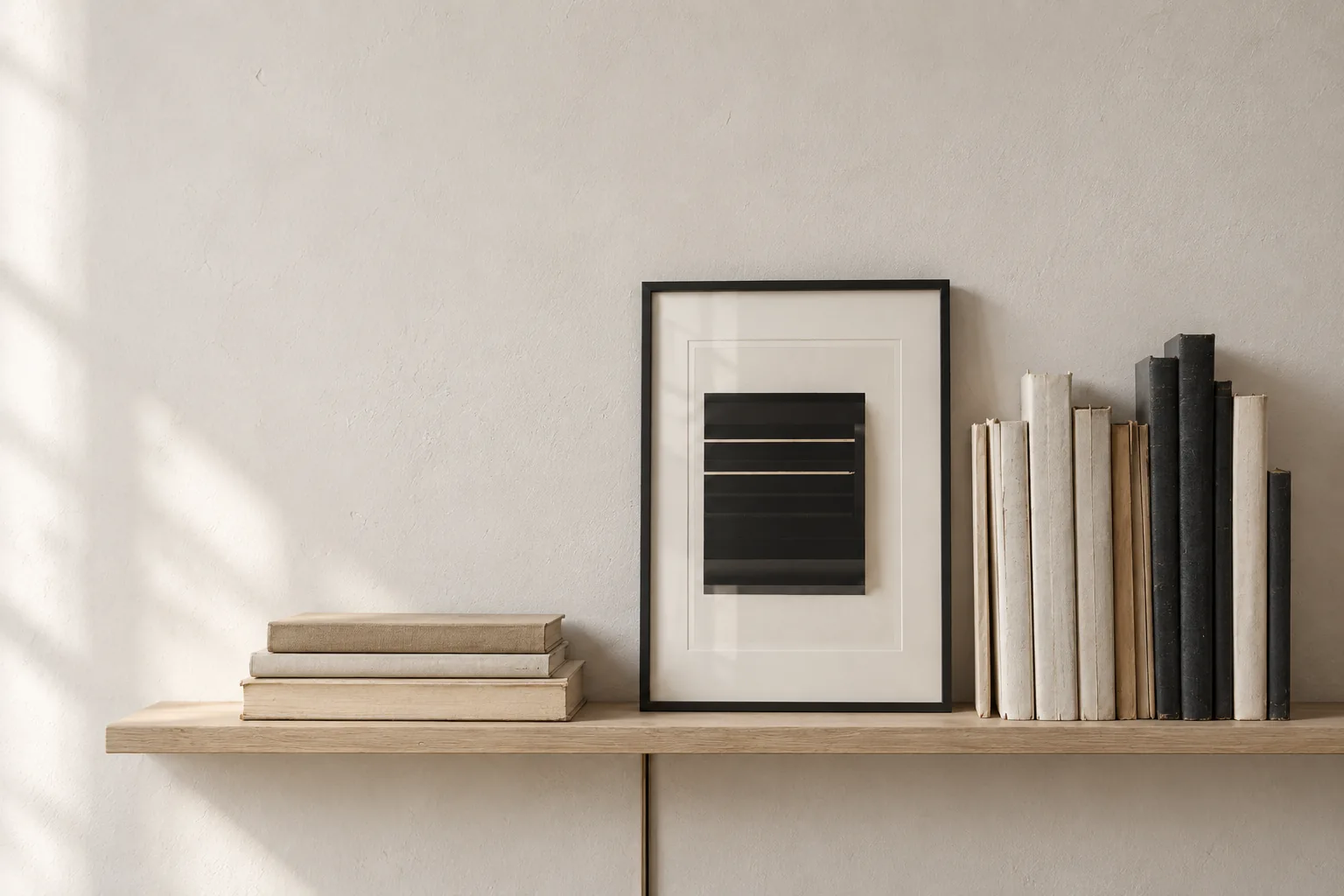
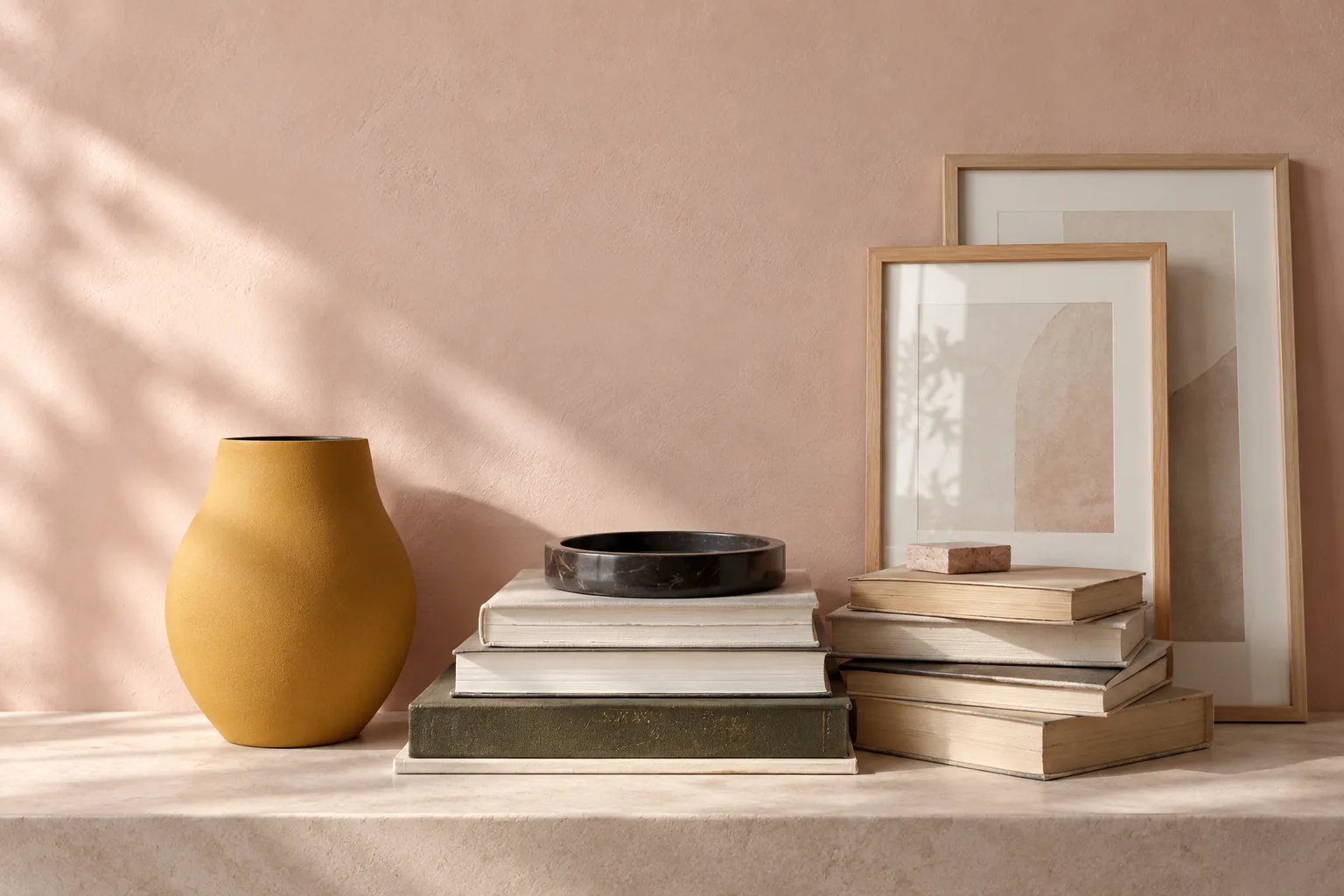
The archive keeps unfinished observations:
a light study,
a material sequence,
an exhibition fragment,
a question that returns.
It records attention before it becomes conclusion.
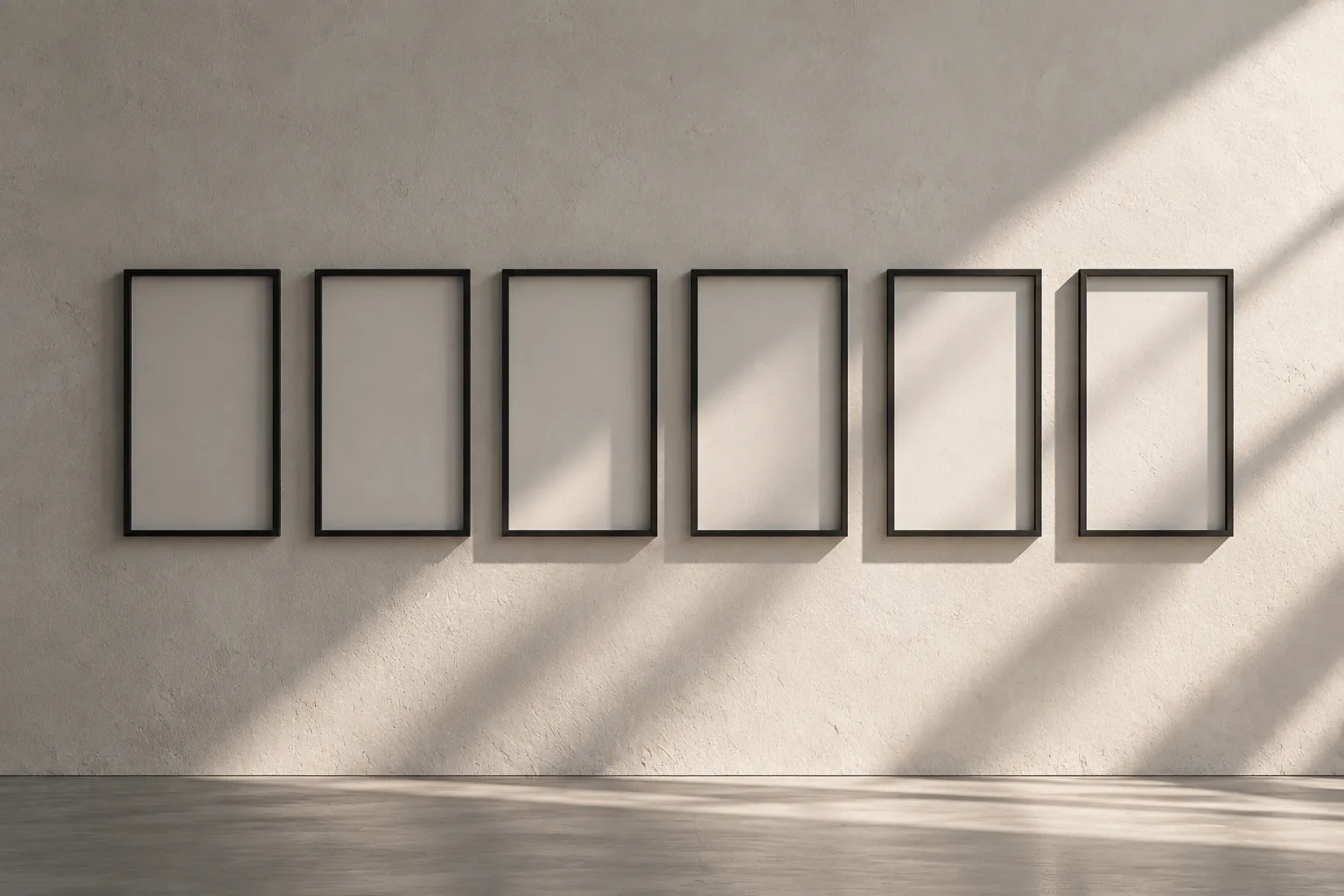
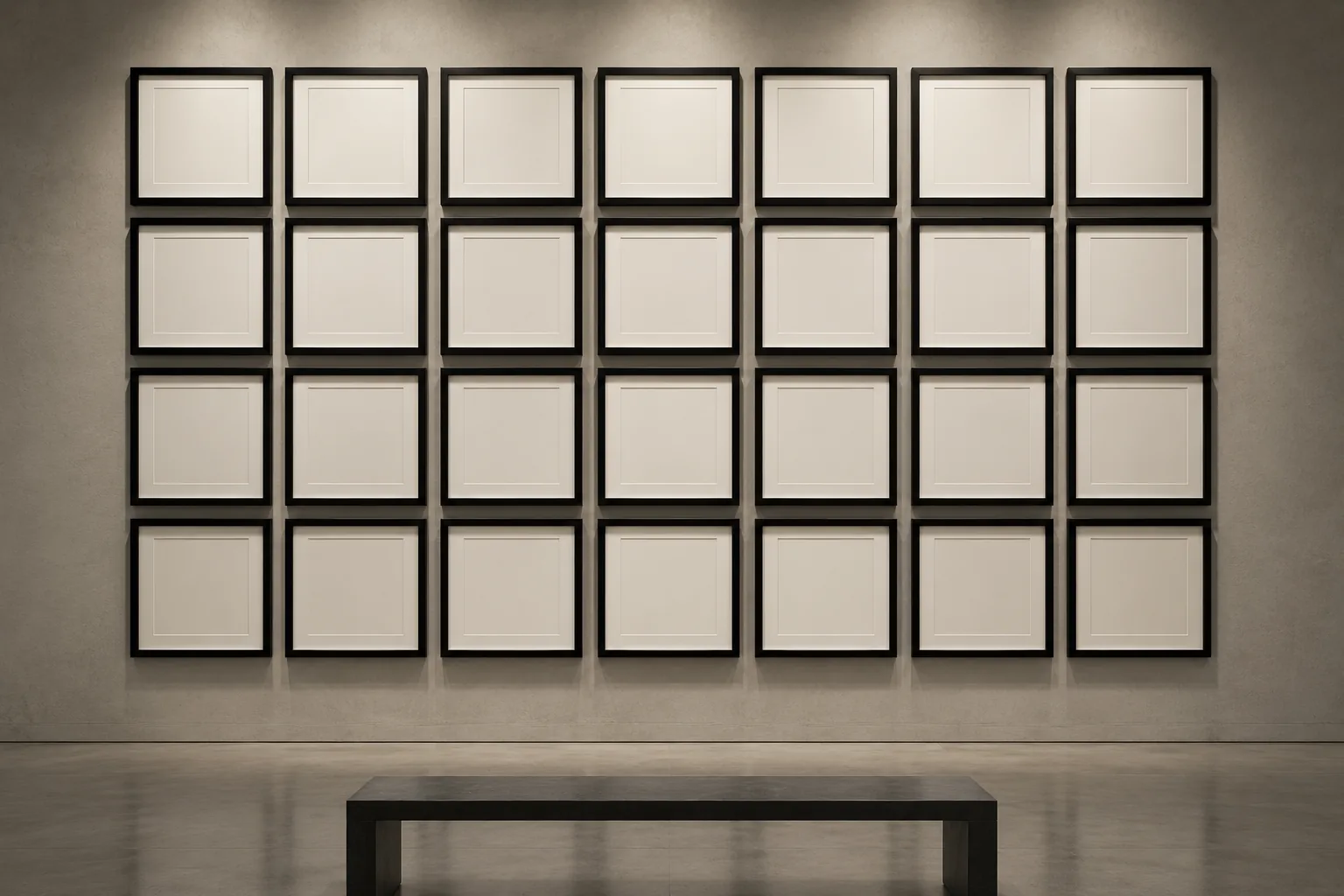
Field note · thresholds, hesitation and the first seconds of entering.
Light study · how a neutral surface stops being neutral after noon.
Working note · the point at which an object should disappear into a room.
For artistic collaborations, installations, spatial research and related commissions, begin with what the room is asking for—not what it is missing.